

Training video · Safety communication · Employee onboarding
Make important work
easier to understand.
Clear, practical training and safety videos built around real environments, subject-matter expertise, repeatable procedures, and the people expected to use them.
Discuss your projectUseful before impressive
Training content succeeds
when behavior changes.
Training video is not simply a recorded explanation. The learner needs to recognize the situation, understand the sequence, notice the critical decision points, and remember what correct performance looks like when the real task begins. Production choices should reduce ambiguity rather than add cinematic distraction.
Life in Focus works with subject-matter experts to translate procedures and institutional knowledge into a visual structure. We identify the audience, existing experience, learning objective, required steps, common errors, safety implications, terminology, environment, and any compliance review. From there we decide what should be demonstrated, narrated, labeled, animated, repeated, or supported with downloadable material.
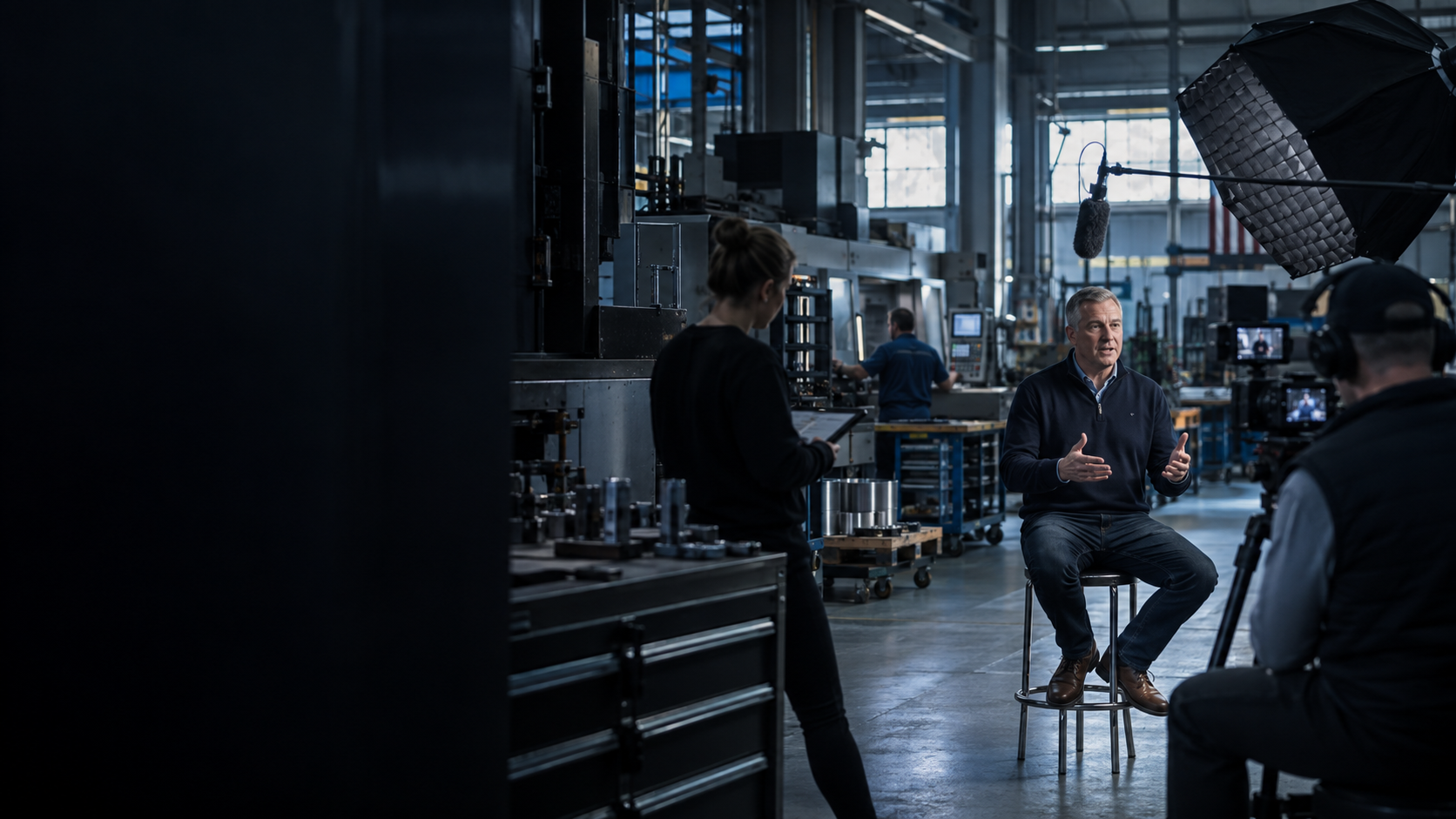
Filming can take place with employees in the real environment or in a controlled demonstration setting. Multiple angles, close details, clear sound, screen capture, titles, diagrams, and chapter structure make complex work easier to follow. A larger program can establish a repeatable template so future modules remain consistent as teams, equipment, products, or policies evolve.
Ways to use the work
Practical content for
learning and operations.
Process demonstrations
Step-by-step visual instruction showing preparation, sequence, technique, checkpoints, and a correct finished outcome.
Safety orientation
Site expectations, hazards, protective equipment, reporting, emergency procedures, and role-specific responsibilities.
Employee onboarding
Organization context, workplace navigation, tools, systems, service standards, and the first procedures a new hire needs.
Customer education
Product setup, operation, maintenance, troubleshooting, and best practices that support successful adoption.
Internal communications
Leadership updates, change communication, policy introductions, and consistent explanations distributed across locations.
Training libraries
A repeatable visual system with chapters, captions, graphics, file naming, thumbnails, and formats for the learning platform.
A considered production process
Learn the procedure.
Design the lesson.
We pair the people who know the work with a production process that makes knowledge visible, organized, and repeatable.
Define the objective
Audience, required behavior, prior knowledge, procedure, environment, risks, platform, language, and review roles are established.
Build the module
Scripts, demonstrations, shot lists, graphics, presenters, props, locations, and assessment needs are mapped in sequence.
Capture clearly
Wide context, close technique, spoken explanation, natural sound, screens, labels, and alternate examples make each step legible.
Review accurately
Subject-matter and compliance reviewers confirm procedure and language before files, captions, chapters, and supporting versions are finalized.
Real environments, controlled communication
Show the work
where the work happens.
A real location gives learners the context they will encounter later: the actual tool, workstation, access point, protective equipment, customer interaction, or sequence between teams. Production is planned around operations so demonstrations are accurate and the crew does not introduce a new hazard or unnecessary disruption.
When a process is sensitive, proprietary, or difficult to capture during normal activity, we can stage a controlled demonstration with the same subject-matter experts. Clear labels and close views can isolate what matters, while narration and graphics provide information that should not be improvised during the physical task.
Frequently asked questions
Useful answers
before we begin.
We can develop scripts and visual outlines from existing procedures and conversations with subject-matter experts. The responsible internal reviewers remain essential for confirming technical, legal, safety, and policy accuracy.
Yes. Experienced employees often demonstrate work most credibly. We structure filming in small sections, provide clear prompts, and avoid expecting someone to perform a long memorized explanation while completing a task.
Yes. Scope can include burned-in or sidecar captions, chaptered edits, shorter refreshers, silent display versions, vertical reminders, translated subtitle files, and platform-specific exports. Translation should be reviewed by a qualified language resource.
We coordinate with the client’s authorized safety contact, follow site orientation and PPE requirements, define restricted areas, and schedule around operations. The client approves procedures and determines whether a filmed demonstration is safe and compliant.
Planning a training video project?