
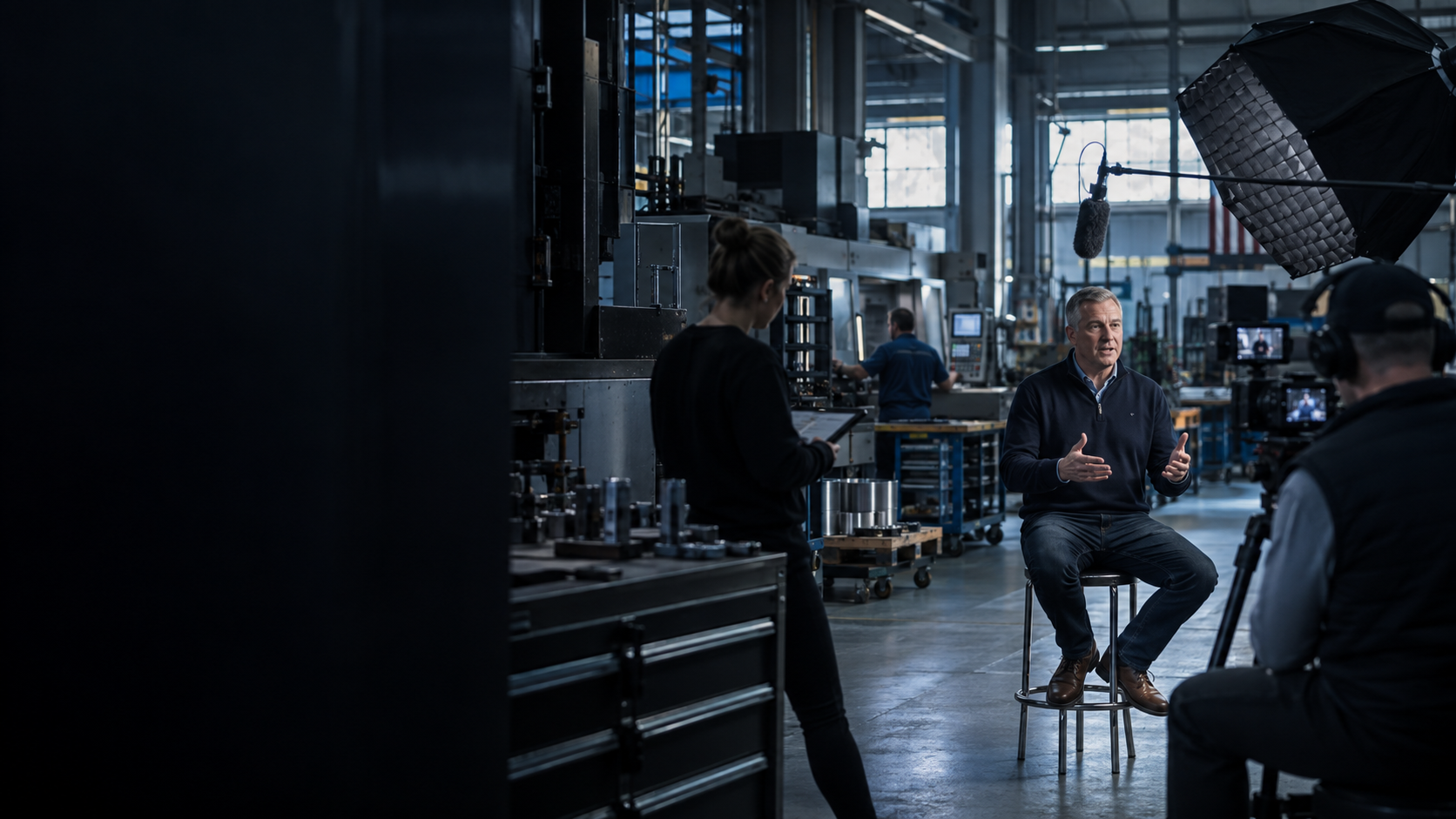
Video editing · Color · Sound · Content versioning
Find the story
inside the footage.
Thoughtful video editing and post-production for interviews, events, campaigns, documentaries, training libraries, and existing footage that needs a clear finished purpose.
Discuss your projectWhere material becomes meaning
Editing is not assembly.
It is decision-making.
Raw footage contains possibilities, not a finished story. Interviews repeat and wander, event recordings include transitions, the strongest visual moment may belong beside a sentence captured hours later, and every channel asks for a different pace and frame. Editing gives that material hierarchy, rhythm, clarity, and an intentional relationship with the audience.
Life in Focus can carry projects from our own production through final delivery or step into an existing library created by a client, agency, internal team, or another crew. We begin by understanding the purpose, audience, available material, brand system, technical condition, required claims, approvals, platforms, and deadline. An organized intake prevents creative time from being lost to missing files or unclear expectations.
Post-production may include interview shaping, multicamera synchronization, documentary structure, presentation integration, color correction, sound cleanup and mix, music, titles, captions, motion graphics, archival material, screen recordings, vertical reframing, and multiple campaign versions. The goal is not to apply every technique. It is to use the right tools to make the intended message easier to follow and harder to forget.
Ways to use the work
Post-production shaped
around the final use.
Interview editing
Clear, natural narratives assembled from conversations while preserving credible language, emotion, and speaker intent.
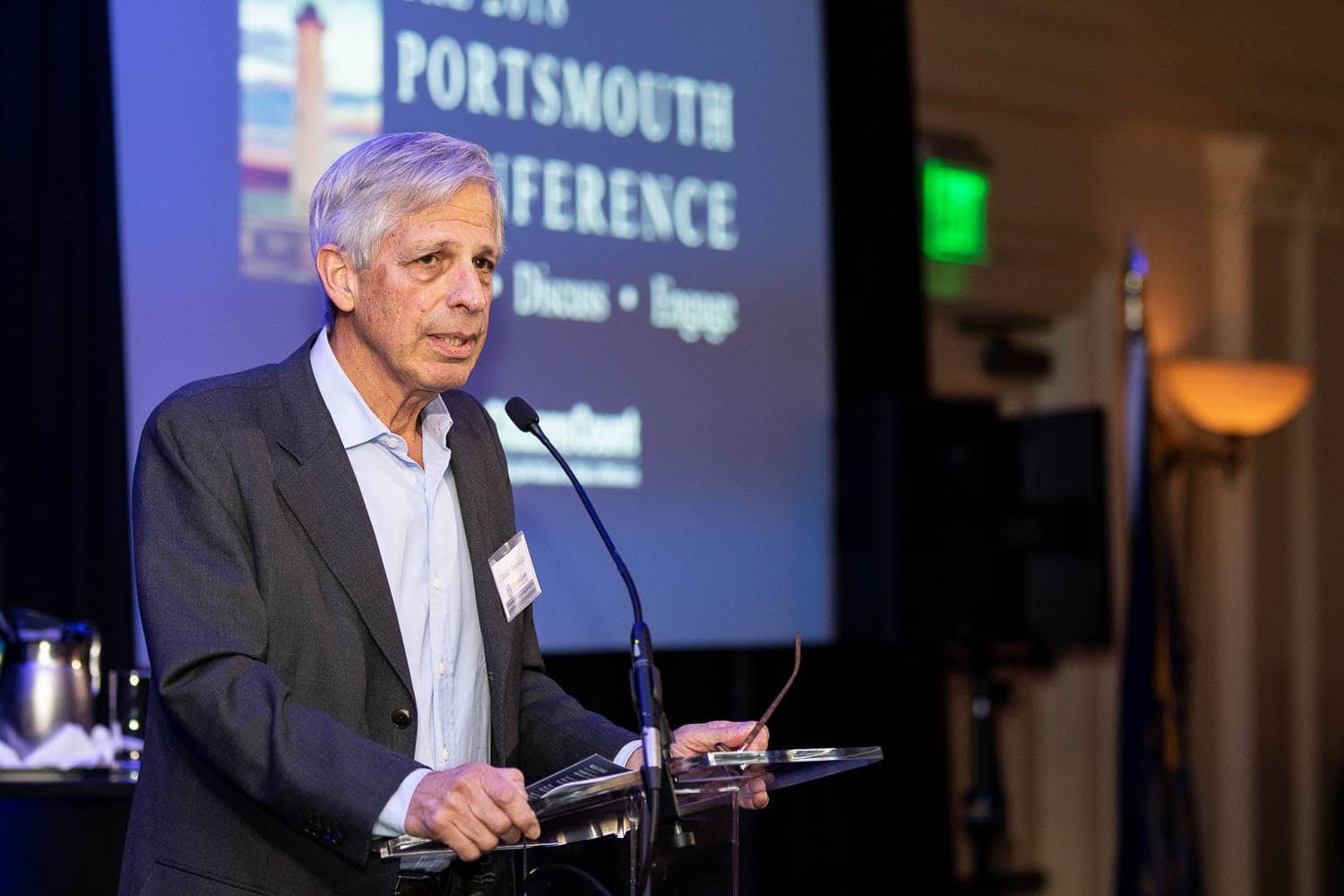
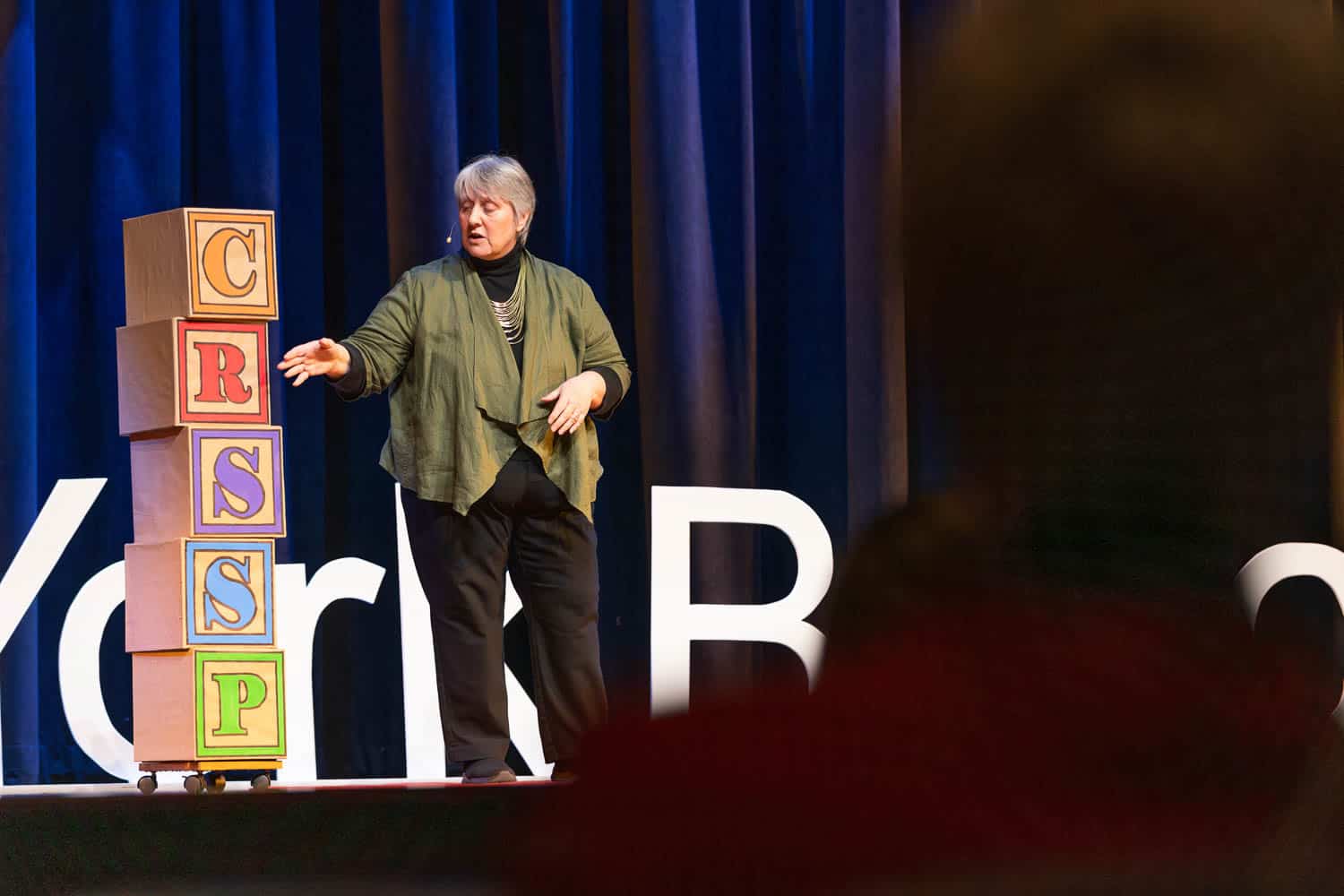
Event and presentation edits
Synchronized cameras, presentation feeds, clean audio, chapters, speaker titles, captions, and individual sessions.
Documentary post-production
Story development across interviews, observed footage, archive, natural sound, music, graphics, and evolving structure.
Campaign versioning
Short, vertical, square, captioned, sound-optional, alternate-opening, and audience-specific edits from a shared library.
Color and sound finishing
Consistent color, exposure, skin tone, dialogue clarity, noise management, music balance, and delivery-level quality control.
Footage organization
Ingest, synchronization, proxy workflows, selects, labels, project structure, archival handoff, and a more usable media library.
A considered production process
Organize first.
Then make it sing.
A transparent post-production workflow protects the schedule, gives reviewers useful decision points, and keeps versioning from becoming confusion.
Audit the material
We review footage, audio, graphics, brand assets, transcripts, releases, technical issues, missing elements, and intended deliverables.
Build the structure
Selects, transcripts, outlines, radio edits, multicamera sequences, and story assemblies establish the content before fine polish.
Refine the experience
Picture, pacing, supporting footage, graphics, color, dialogue, sound design, music, and captions are developed together.
Version and deliver
Approved masters become the required aspect ratios, lengths, caption formats, platform exports, archives, and organized handoff.
Existing footage deserves a strategy
Turn an archive
into an active library.
Organizations often possess years of interviews, events, product footage, presentations, and unfinished projects but cannot locate the strongest moments quickly. A focused post-production engagement can inventory that material, identify reusable themes, and create a practical set of evergreen and campaign-specific edits without scheduling another shoot immediately.
Not every archive is technically perfect, but thoughtful editing can work with differences in camera, format, lighting, and sound when expectations are clear. We identify limitations early, recommend where restoration or new production would add meaningful value, and avoid spending time polishing material that cannot support the intended use.
Frequently asked questions
Useful answers
before we begin.
Yes. We first review representative files, camera formats, frame rates, resolution, audio, organization, permissions, and project assets. That audit helps us confirm what can be achieved and what may be missing.
The proposal defines review rounds, decision-makers, feedback method, and milestones. Consolidated time-coded feedback keeps the edit moving and prevents contradictory notes from creating unnecessary versions.
Yes. We can identify complete standalone ideas, create stronger short openings, reframe footage vertically, add captions and titles, and deliver platform-ready variations rather than simply cutting arbitrary durations.
Ownership, working project files, licensed elements, raw footage, graphics, fonts, storage, and archive handoff are defined in the agreement. Some third-party music, stock, or software assets may have license restrictions that prevent unrestricted transfer.
Planning a post-production project?